
9 Tips to Stay Disciplined When Working From Home

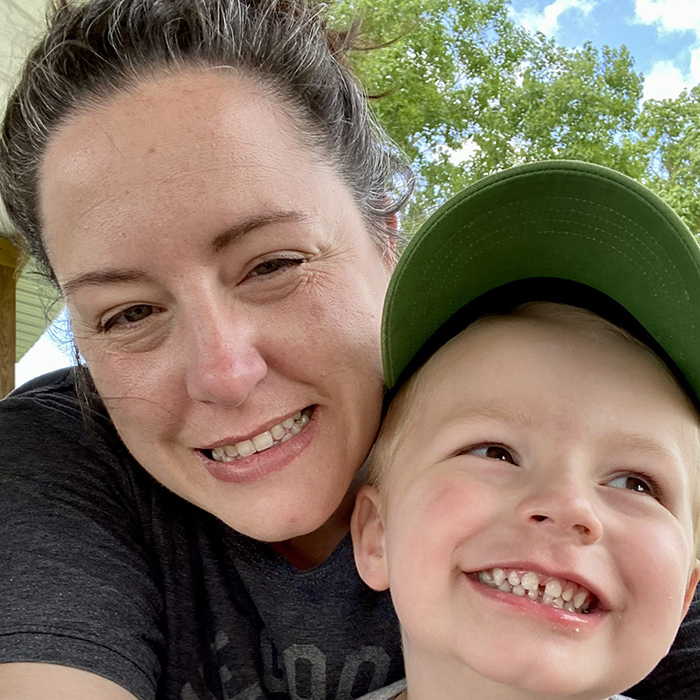
As a mom working from home and running a blog, folks often wonder:
“How do you manage to get stuff done? If it were me, I’d probably be playing video games or doing laundry all day. I don’t have the self-control for that!”
Well, you might have more self-control than you realize. It’s mostly about creating clear rules for yourself and sticking to them.
Advantages of Self-Discipline When Working From Home
Learning self-discipline isn’t a walk in the park. It requires a strong determination to build this skill and apply it to reach our goals.
Discover why self-discipline is essential for personal growth and development with these straightforward reasons. It helps us:
- Develop healthy habits by rewiring our brains.
- Stay consistent in our efforts.
- Overcome procrastination.
- Improve time management skills.
- Stay focused.
- Boost self-esteem and confidence.
- Enhance competence and productivity.
- Prioritize our tasks.
- Ultimately, achieve our goals.
So, it’s on us to harness this skill and use it to our advantage, especially in this new era where it’s a must for home workers like us.
Tips to Stay Disciplined When Working From Home
Stick to a Regular Wake-Up Time
First off, I make it a rule to wake up at the same time every day. Even though I’ve been lucky enough to skip the alarm clock for the past six years, I ensure I’m at my desk by 8 or 8:30 a.m. If you need a nudge, set your alarm like you would for a regular office day.
Keep a To-Do List
Next, I keep a “work pipeline” – a detailed list of all my work tasks for the upcoming weeks with deadlines. I check them off as I finish them.
For example, if you’re in sales, jot down your monthly sales goal and compare it with your current sales. Plan your daily, weekly, monthly, and quarterly steps to reach those goals. Make a list of 5-10 customers or prospects to contact each day and stick to it.
The trick that helps me stay on track is writing everything down. Keep a record of who you called or emailed, how many times you contacted them, the date and time of communication, and any extra info, like “talked to Kelly (admin); she’ll chat with Jim today and get back to me by the end of the day.” I don’t try to remember it all because there are too many details, and something might slip through the cracks.
I use my Gmail calendar for all my appointments. It’s the first thing I check every morning.
Tackle the Tough Stuff First
Begin your workday by dealing with your trickiest tasks or the ones you’re not too excited about.
At the start of your workday, your energy, focus, and motivation are at their peak. This is the best time to handle those to-dos that are a bit challenging or that you’ve been avoiding. Getting them done early will lift a heavy load off your shoulders, leaving you charged up to keep the productivity flowing. After that, everything else will feel much easier to handle.
On the flip side, if you kick off your day with smaller, less important tasks, you might run out of steam quickly, and it’ll seem like you haven’t achieved much. You’re also more likely to postpone those big, daunting tasks, leading to stress and procrastination.
That’s the opposite of being disciplined.
So, when planning your daily to-do list, spot that big challenging task and get it out of the way ASAP. Then, the smaller tasks that come later will feel like a breeze.
Take Smart Breaks
When you take breaks, try to pick natural times during the day so you don’t mess up your flow. Set a limit, like 15 minutes, for your break. For example, make your first round of phone calls, then take a break for breakfast instead of stopping in the middle of calls, which can mess up your groove.
I usually write the first draft of an article and then take a short break before editing. I try not to get up until I’ve finished that initial draft.
If you have kids, you might need to plan around the bus schedule. Those morning and afternoon buses can be your built-in deadlines — a reason to finish your work by a certain time.
On the flip side, in my job, the timing of taking breaks is just as crucial as not taking breaks at the wrong time. After I finish an article draft, it’s important to step away and clear my mind. When I come back and look at it again, I see it with fresh eyes and catch things I might have missed before.
Try Meditation, Visualization, and Journaling for a Boost
Really productive remote workers also make time in their busy days for meditation, visualization, and journaling.
Think about someone training for the Olympics. Besides their daily practices, they also imagine themselves reaching their goal. They often meditate on this and write in a journal about things that might be holding them back that they want to overcome.
These three important things can help make your discipline stronger through the connection between your mind and body.
Use meditation and visualization before big meetings. Take some time to write in your journal the night before, picturing a successful next day. Or find your center each morning to give yourself a confidence boost to handle whatever comes your way.
Meditation and visualization alone won’t do all the hard work for you. But they can help get you in the right mindset to be your best self.

Dress for Success
Put on proper clothes for the day, but make sure they’re comfy. While some folks enjoy staying in their PJs and slippers, it doesn’t help with a professional mindset. Freshen up each morning and put on comfy clothes to signal that you’re ready for work and in business mode.
Use the Right Tools
I suggest getting a smartphone that lets you check your email when you’re not at your desk. It gives you a bit more freedom in your day and keeps you in touch with your boss, colleagues, and clients if you step away from your workspace.
Make sure to download any apps that can help you handle your business on the go. You can check here to see some useful apps.
Set Up a Distraction-Free Work Zone
Even if you understand discipline and have a solid schedule, distractions can still mess up your plans. So, you need a plan to kick distractions to the curb.
Put your phone on airplane mode. Even if your phone is on silent by your desk, it can still lure you into distractions. Switch to full airplane mode during work time, and nothing should steal your attention.
Remember to turn off notifications for Slack, social media, and email on your computer too. Those little notification sounds can mess with your focus.
Choose a more productive work setup. If you’re working from home, resist the urge to have the TV on for background noise (it’s too easy to get lost in shows and lose focus). Try listening to instrumental music to help you concentrate instead.
While it’s cool to be able to work from anywhere, if you’re too distracted by people-watching to meet your deadlines, it’s time to rethink your mobile office.
Keep Your Goals in Mind
You can have yearly, quarterly, monthly, weekly, and even daily goals to keep you on the right path and track your progress. Begin with practical daily goals, then add in some weekly ones, and keep building on them.
But don’t just jot down a goal you want to reach. Break it down into steps to make achieving that goal more doable.
For instance, let’s say your goal is to apply to one new remote job each day. To make this happen, you’ll need to:
- Find a remote job that suits you.
- Research job-related keywords to beat the applicant tracking system.
- Customize your resume for that ideal remote job.
- Update your cover letter.
- Fill out the application.
Now, you’ve got a roadmap to guide you toward reaching that goal. Do this for each goal you set, and just stick to the plan.
Working toward the bigger picture lets you build momentum with each smaller task you complete. It also gives you a way to keep yourself in check. As a remote worker, there’s no one else to keep you on track, so you’ve got to learn how to do it yourself.
Don’t forget why you’re working from home, and keep your goals in mind. Did you used to have a one-hour commute, and now your life is better? Focus on the good things you’re getting and think about what would happen if you lost those benefits.


